Bloodhound Dog Watercolor 20oz Wrap Review
As a designer who spends more time staring at stitch maps than most people spend watching television, I approach every new digital embroidery file with a mix of excitement and skepticism. We have all been there: you buy a beautiful graphic, digitize it (or purchase a pre-digitized version), and halfway through the run, you realize the stitch density is too high for the fabric, or the details are going to disappear into a blob of thread. Today, I am breaking down the Bloodhound Dog Watercolor 20oz Wrap. While the product listing categorizes this under Tumbler Wraps and Graphics, my interest lies in how this specific visual asset translates when we move from sublimation ink to actual needle and thread.
The Aesthetic: Mood and Visual Personality
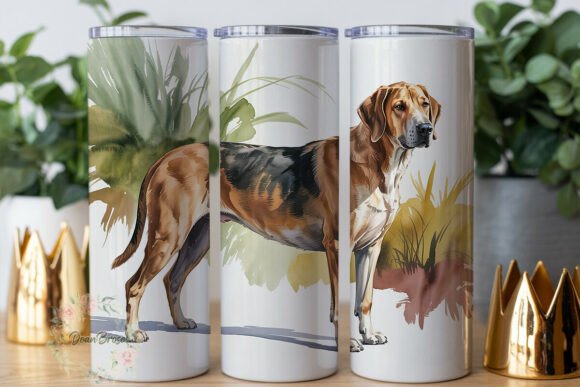
The first thing that strikes me about the Bloodhound Dog Watercolor 20oz Wrap is its mood. Watercolor styles in embroidery are tricky; they rely on soft blends and bleeding colors that can be notoriously difficult to replicate with thread. This design captures that ethereal, artistic vibe perfectly. The subject matter—a Bloodhound—is inherently soulful, with those long, drooping ears and expressive eyes. In a watercolor interpretation, these features soften, creating a design that feels less like a rigid logo and more like a piece of art.
For an Etsy seller or craft business owner, this mood is gold. It moves away from the cartoonish dog designs that saturate the market and enters the realm of boutique home decor and high-end custom apparel. The layout, sized at 9.3″ x 8.2″, suggests a large, statement piece. When I look at the high-resolution 300 DPI source files included in the package (one for straight tumblers, one for tapered), I immediately start thinking about how to map these gradients to thread colors. The visual personality here is gentle, nostalgic, and perfect for customers who want something unique rather than mass-produced.
Real-World Application: Beyond the Tumbler
Let's talk about a real scenario. Imagine a client comes to your small shop product line asking for a memorial gift for a beloved family pet. They don't want a standard photo print; they want texture and warmth. This is where repurposing the Bloodhound Dog Watercolor 20oz Wrap shines. Although marketed as a wrap, the dimensions and clarity make it an excellent candidate for a large embroidered patch or a central motif on a heavy canvas tote bag design.
I can visualize this stitched onto a natural linen pillow cover for a living room accent. The watercolor effect would translate beautifully using a combination of fill stitch for the broader color washes and perhaps some lighter running stitch overlays to mimic brush strokes. For a sweatshirt embroidery project, placing this on the back of a heavyweight hoodie creates a stunning streetwear look. It also works exceptionally well for baby embroidery projects, such as a nursery blanket, provided the stitching is soft enough for sensitive skin. The key is recognizing that while the source is a graphic, its application in handmade product creation is limitless if you understand how to adapt the imagery.
Technical Considerations for Stitching
Here is where we need to be practical. If you are taking this image and having it digitized into a machine embroidery design, or if you are using it as a reference for an applique design, you must pay attention to the details. Watercolor effects often rely on subtle color shifts. In embroidery, too many color changes can frustrate the customer and increase production time. You may need to simplify the palette, grouping similar shades to reduce stops while maintaining the gradient effect.
Stitch density is another critical factor. Large fill areas can become stiff and board-like if the digitizer isn't careful. For a project like this, I recommend asking for variable density or using a lighter fill pattern to keep the finished product drapable, especially if you are putting it on a t-shirt or baby clothes. Furthermore, consider the hoop size. At over 9 inches wide, this design will likely require a large hoop or a re-hooping strategy if your machine has a smaller field. Always check your machine's maximum area before committing to the project.
Fabric Choices and Potential Pitfalls
Not every fabric is a friend to detailed watercolor-style embroidery. If you attempt this on a highly textured fabric like a chunky knit or a rough burlap, the fine details of the Bloodhound's face might get lost. Similarly, stretchy fabrics require significant stabilization. If you are doing holiday embroidery on a stretchy jersey tee, ensure you use a cut-away stabilizer to prevent the design from puckering over time.
Dark fabrics present another challenge. The watercolor style often utilizes light, translucent layers. If you stitch this directly onto black fabric without an underlay or a white backing (often used in appliqué), the colors will look muddy. For dark garments, consider turning this into an appliqué project where the watercolor image is printed on fabric, backed with stabilizer, and then satin-stitched around the edges. This preserves the integrity of the original graphics while ensuring visibility.
Maximizing Value and Customer Trust
Using a high-quality source image like the Bloodhound Dog Watercolor 20oz Wrap directly impacts your brand consistency and customer trust. When a buyer receives a personalized gift that looks crisp and professional, they associate that quality with your craft business. Sloppy stitches or pixelated edges (caused by stretching a low-res image) kill repeat business. Since this package offers high-resolution files without watermarks, you have the freedom to create clean printable mockups for your online listings before you even stitch a single thread. This allows you to test the visual appeal on different backgrounds—light, dark, and colored—to see where the design pops best.
For commercial embroidery ventures, versatility is key. This design could easily be adapted for kitchen towel sets, aprons, or even caps, though the curved surface of a cap would require careful digitizing to prevent distortion of the dog's features. The emotional connection people have with dogs, particularly distinctive breeds like Bloodhounds, means this design has high "giftability." It appeals to dog lovers, hunters, and art enthusiasts alike.
Final Designer Notes and Recommendations
Before you launch this as a new item in your shop, take these practical steps. First, always test the design on scrap fabric that matches your final product. Check the thread color contrast under different lighting conditions. Second, review the licensing terms carefully. The product description notes that you receive PNG files for tumbler wraps; ensure that your intended use for embroidery and resale of physical goods is covered under the license you purchase. Do not assume a graphic license automatically covers physical merchandise resale.
If you are creating a digital embroidery file from this graphic, inspect small details like the eyes and nose of the dog. These areas need precise stitching to convey emotion. Compare how the design looks in both color and black-and-white mockups to ensure it holds up even if a customer requests a monochrome version. Finally, remember that the success of this project relies on the marriage between the artistic source material and your technical execution. The Bloodhound Dog Watercolor 20oz Wrap provides a fantastic foundation, but it is your expertise in handling fabric texture, tension, and thread selection that will turn it into a masterpiece.
In conclusion, while this product is labeled for tumblers, its potential in the world of embroidery is vast. With thoughtful adaptation and attention to technical detail, it can become a standout piece in any handmade shop, offering a blend of artistic flair and durable craftsmanship that customers love.