Lucky Highland Cow Shamrock Tumbler Wrap Review
As a designer who spends more time staring at stitch maps than most people spend watching television, I approach every new embroidery file with a healthy dose of skepticism. We have all been there: you buy a design that looks crisp on the screen, only to find it turns into a bird's nest of thread once it hits the fabric. That is why I took a close look at the Lucky Highland Cow Shamrock Tumbler Wrap. While the product listing categorizes this under Tumbler Wraps and Graphics, my job is to translate those digital pixels into tangible, stitched reality for real-world projects.
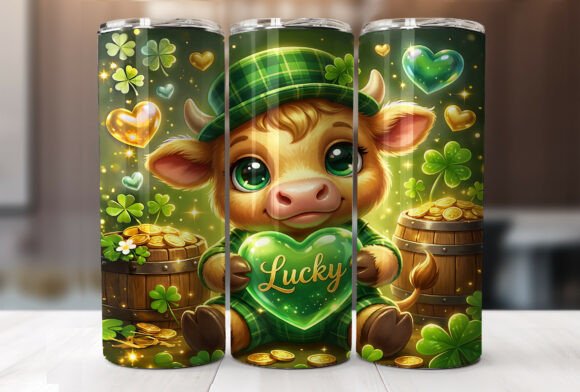
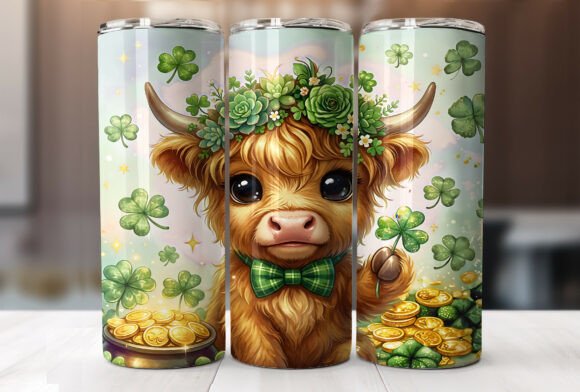
The first thing that strikes me about this design is its mood. There is a specific charm to Highland cows—they are rugged yet undeniably cute—and pairing that with a shamrock creates an instant narrative of luck and heritage. Visually, the layout feels balanced. The 9.3×8.2 inch dimensions provided in the file specs suggest a substantial graphic, perfect for making a statement. However, before you commit to stitching this onto a client's custom apparel or a boutique product, we need to talk about how this translates from a high-resolution PNG to actual thread.
From Digital Mockup to Stitched Reality
When I evaluate a design like the Lucky Highland Cow Shamrock Tumbler Wrap, I am not just looking at the image; I am simulating the stitching process in my head. The description notes a 300 DPI resolution, which is excellent for clarity. For us embroidery designers, high resolution in the source file often correlates with cleaner digitizing potential, assuming the conversion to a machine embroidery design is handled correctly. If you are using this as a reference to create your own digitized version or applying it via heat transfer vinyl (HTV) as a hybrid technique, the detail level here is promising.
Imagine a scenario where a customer walks into your small shop asking for a St. Patrick's Day gift that isn't the usual generic green shirt. They want something unique. This design fits that bill perfectly. Picture this motif centered on a heavy cotton tote bag or perhaps as a large chest emblem on a heather grey sweatshirt. The "lucky" theme combined with the textured look of a Highland cow's fur offers a great opportunity to play with thread colors. You could use variegated threads to mimic the shaggy coat, adding depth that a flat print simply cannot achieve.
However, we must address the elephant in the room: the product type. The listing specifies this is a printable design for tumblers. As an embroidery reviewer, I see potential beyond the cup. If you are an Etsy seller or a creative entrepreneur, you might be wondering if this graphic can be adapted for embroidered patches or direct-to-garment applications. The answer is a cautious yes, but it requires careful consideration of scale and density.
Navigating Fabric Textures and Hoop Constraints
One of the critical factors in determining the success of any embroidery project is the relationship between the design details and the fabric texture. The intricate lines required to depict the cow's hair and the edges of the shamrock demand a stable base. If you attempt to stitch a detailed version of the Lucky Highland Cow Shamrock Tumbler Wrap on a stretchy jersey knit without proper stabilization, you risk distortion. The fabric will pull, and those crisp lines will warp.
For best results on soft goods like baby clothes or t-shirts, I strongly recommend using a cut-away stabilizer. This provides permanent support for the design, ensuring that the finished product maintains its shape after multiple washes. If you are aiming for a vintage, distressed look on a canvas apron or a kitchen towel, a tear-away might suffice, but for anything that will see heavy wear, do not skimp on the backing.
We also need to talk about hoop size. The dimensions listed are roughly 9 inches wide. This is larger than the standard hoop found on many home machines. If you are planning to stitch this directly, you will likely need a large hoop attachment or consider breaking the design into sections if your digitized file allows for it. Alternatively, this graphic shines as an appliqué element. By using the design as a template for cutting fabric shapes, you can reduce stitch density and create a flatter, more comfortable finish on items like baby onesies or pillow covers.
Commercial Viability and Brand Consistency
For those running a craft business, consistency is key. Your customers trust you to deliver quality. Using a well-composed graphic like the Lucky Highland Cow Shamrock Tumbler Wrap can elevate your brand perception. It shows attention to detail and a knack for trending themes—Highland cows and Irish motifs are perennially popular. When used correctly, this design adds value to a simple blank item, turning a $10 tote bag into a $35 handmade product.
However, professional integrity means knowing the limits of your tools. Since this file is provided as a PNG, it is technically a graphic, not a native embroidery file format like PES or DST. To use this for stitching, you must either digitize it yourself or hire a professional digitizer to convert the image into a proper embroidery file with defined stitch types like satin stitch for borders and fill stitch for the body. Do not attempt to auto-digitize complex images without reviewing the stitch path, as this can lead to excessive trimming and poor coverage.
If you are selling digital embroidery files or finished goods based on this art, always double-check the licensing terms. The listing mentions "Instant Download," but does that grant commercial rights for physical goods? For small shop products, clarity on licensing protects your business from legal headaches. Assuming you have the rights, this design is versatile enough for holiday embroidery collections, nursery decor, or even wedding gifts for couples with Scottish heritage.
Final Thoughts on Practical Application
In conclusion, the Lucky Highland Cow Shamrock Tumbler Wrap offers a strong visual foundation for a variety of creative endeavors. Its strength lies in its thematic appeal and clear composition. Whether you are creating a personalized gift for a friend or expanding your inventory of custom apparel, this design holds promise. Just remember to respect the technical requirements of embroidery. Test your stitches on scrap fabric first. Check your color contrast, especially if working on dark fabrics where the shamrock green needs to pop. And always ensure your stabilizer game is on point.
By treating this graphic not just as a picture but as a blueprint for texture and form, you can create stunning embroidered patch styles, vibrant tote bags, and cozy sweatshirts that customers will love. It is a reminder that in our industry, the magic happens not just in the download, but in the thoughtful execution of the stitch.